The nation’s most severe measles outbreak in over 25 years has officially concluded—no new cases have been reported for more than 90 days—but its impact lingers. What began as a localized cluster in under-vaccinated communities ballooned into a nationwide wake-up call. The aftermath? A measurable uptick in MMR (measles, mumps, rubella) vaccination rates across multiple states, suggesting fear, awareness, and public health campaigns may have collectively shifted behavior.
This isn’t just a story of disease containment. It’s evidence that epidemics—however dangerous—can serve as catalysts for behavioral change. As measles fades from headlines, the ripple effects on immunization trends offer crucial insights into how public health messaging, community dynamics, and real-world risk can drive action where mandates and education alone sometimes fail.
The Outbreak That Refused to Stay Contained
Measles is highly contagious—one infected person can spread the virus to 12 to 18 others in a susceptible population. The outbreak originated in early 2025 in a close-knit community with historically low vaccination rates. Initial cases were dismissed as isolated, but within weeks, infections spread through schools, public transit, and religious gatherings.
By mid-year, over 1,200 confirmed cases were reported across 28 states—the highest number since measles was declared eliminated in 2000. Urban centers like Chicago and Brooklyn saw localized surges, while rural counties in Washington and Oregon reported outbreaks in schools where vaccination rates had dipped below 80%, far below the 95% threshold needed for herd immunity.
Health officials traced super-spreader events to unvaccinated travelers returning from countries with active outbreaks and community gatherings where masking and distancing were minimal. The CDC confirmed that over 90% of cases occurred in unvaccinated or under-vaccinated individuals.
This wasn’t the first measles flare-up in recent years. But the scale, duration, and geographic spread made it impossible to ignore—earning it the label of a "record-breaking outbreak."
Turning Fear Into Action: The Vaccination Surge
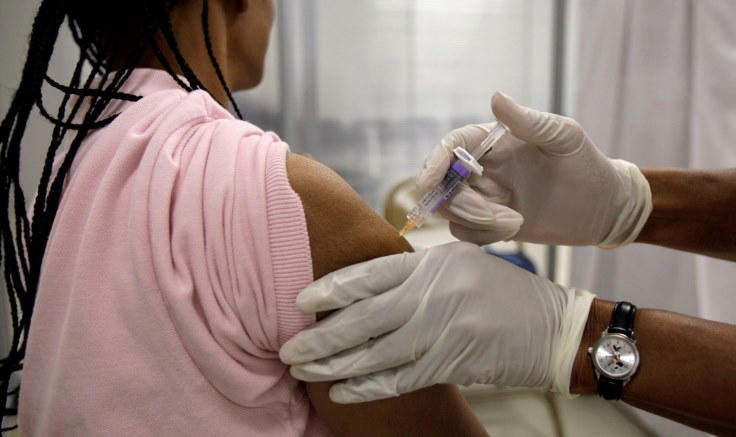
As headlines amplified images of quarantined schools and infected children, something shifted. Pediatric clinics reported appointment surges. Pharmacists administered record numbers of MMR vaccines. School districts in affected states began enforcing immunization requirements more strictly.
Data from the CDC and state health departments show a 22% increase in MMR vaccination rates among children aged 1 to 5 in the six months following the outbreak’s peak. Some counties, like Rockland in New York and Clark in Washington, saw increases as high as 38% compared to the same period the previous year.
But the rise wasn’t limited to young children. Adults who were never vaccinated—or couldn’t recall their status—sought catch-up shots. University health centers reported a 40% jump in MMR requests from students, many citing the outbreak as their reason.

One clinic in Portland shared a telling anecdote: a mother who had previously refused vaccines for her two children came in requesting MMR shots for all three kids—herself included—after a neighbor’s child was hospitalized with measles-related pneumonia.
Fear, yes. But also information. Public health campaigns during the outbreak emphasized not just transmission rates but real complications: hospitalizations (over 120), ICU admissions (18), and two reported deaths—one in an immunocompromised adult, another in a child under five.
These weren’t abstract statistics. They were stories that made vaccine hesitancy harder to justify.
Why This Outbreak Drove Change When Others Didn’t
Past measles outbreaks, such as those in 2019 and 2022, led to temporary spikes in immunization—but nothing sustained. What made this different?
1. Visibility and Duration This outbreak lasted nearly eight months. It wasn’t confined to one zip code. It made nightly news. It disrupted schools and workplaces. The prolonged exposure kept vaccination in public discourse longer than usual.
2. Targeted Messaging Health departments moved beyond generic “vaccines are safe” slogans. They used outbreak-specific data: maps showing where cases clustered, timelines tracing transmission, and cost estimates of containment efforts (over $20 million in public health spending).
Some departments partnered with trusted community figures—faith leaders, local doctors, school nurses—who delivered messages in culturally resonant ways. In one Hasidic community in Brooklyn, rabbis publicly endorsed vaccination, helping ease religious objections.
3. Policy Pressure Several states responded with legislative action. California and New York reinstated stricter school entry requirements, eliminating non-medical exemptions. Oregon introduced a bill requiring public colleges to verify immunization status—a move that encouraged young adults to get vaccinated before enrollment.
Even workplaces reacted. Hospitals and daycare centers mandated MMR proof for employees, removing loopholes that had allowed unvaccinated staff to remain on the job.
4. Social Proof When vaccination rates rise visibly in a community, it creates a feedback loop. People see neighbors getting shots. They hear stories of recovery and prevention. The social norm begins to shift.
In counties where vaccine uptake increased sharply, clinics reported that parents asked, “Is it too late?” rather than “Is it safe?”—a subtle but meaningful change in mindset.
Limitations and Gaps That Remain
Despite the progress, significant challenges persist.
Not all communities responded equally. Rural areas with limited healthcare access saw smaller increases. Some clinics reported that while demand rose, supply chain delays briefly slowed MMR availability, creating frustration.
Vaccine hesitancy also evolved. While fear of measles drove many to vaccinate, some individuals sought partial protection—asking for antibody titers to “prove” immunity instead of getting vaccinated. Others requested single-antigen measles vaccines (not available in the U.S.), believing them safer than the combined MMR.
Public health experts warn that the surge may not last. “We’re seeing a crisis-driven response,” said Dr. Lena Park, an epidemiologist at Johns Hopkins. “The real test is whether these rates hold when the memory of the outbreak fades.”
There’s also concern about complacency. With no new cases in months, some parents may revert to pre-outbreak attitudes. Social media, meanwhile, remains a breeding ground for misinformation. Anti-vaccine groups have already begun reframing the outbreak’s end as “proof that measles isn’t that dangerous.”
Practical Steps for Sustaining Momentum
To preserve gains and prevent future outbreaks, experts recommend a multi-pronged approach:
- Schools and daycares should audit immunization records annually and require documentation upon enrollment—not just entry.
- Primary care providers should proactively screen patients for MMR status during routine visits, especially adults born between 1957 and 1985, many of whom may have incomplete immunity.
- Employers in high-risk settings (healthcare, education, travel) should consider vaccination as part of occupational health policy.
- Public health departments must maintain visible, ongoing education—not just during emergencies.
One effective tactic: “vaccine clinics with a story.” Hosting community vaccination events alongside survivor testimonials or pediatrician Q&As has proven more effective than standalone shot drives.
Another: integrating vaccination status into digital health records that patients can access via apps. When people can see their protection status, they’re more likely to act.
The Role of Media and Messaging
How the outbreak was reported played a quiet but powerful role.
Early coverage focused on “anti-vaxxers” and blame, which often backfired, entrenching resistant groups. But as the outbreak grew, reporting shifted toward human impact—interviews with families in isolation, photos of children in hospital gowns, breakdowns of how easily the virus spreads.
One viral short documentary, produced by a local news station in Seattle, followed a single case from infection to recovery, showing how one unvaccinated traveler led to 27 secondary cases. The video was shared over 3 million times and was later used in public health training.
Experts agree: stories stick. Data moves policymakers. Narrative moves people.
What Comes Next?
The outbreak is over, but the vulnerability remains. Measles is still imported regularly. Global vaccination rates have declined post-pandemic, increasing the risk of future introductions.
Yet this episode proves something vital: public behavior can change in response to clear, immediate threats. The key is not just reacting—but building on the momentum.
Local health departments that saw vaccination surges are now launching “immunity awareness” campaigns, positioning vaccination not as a response to crisis but as routine care—like seatbelts or smoke detectors.
Pediatricians are reframing the conversation. Instead of debating vaccines, they’re asking, “When would you like to schedule the MMR?”—a simple linguistic shift that increases compliance.
Closing: Turn Crisis Into Continuity
The end of the record-breaking measles outbreak isn’t just a relief—it’s an opportunity. The spike in vaccination rates shows that people will act when risk feels real. But that urgency fades.
The challenge now is to make protection habitual, not reactionary. Update your family’s immunization records. Ask your employer about workplace policies. Share credible information—not fear, not judgment, but facts.
Because the next outbreak may not wait. But we don’t have to either.
FAQ
What should you look for in Measles Outbreak Ends, Sparking Surge in Vaccinations? Focus on relevance, practical value, and how well the solution matches real user intent.
Is Measles Outbreak Ends, Sparking Surge in Vaccinations suitable for beginners? That depends on the workflow, but a clear step-by-step approach usually makes it easier to start.
How do you compare options around Measles Outbreak Ends, Sparking Surge in Vaccinations? Compare features, trust signals, limitations, pricing, and ease of implementation.
What mistakes should you avoid? Avoid generic choices, weak validation, and decisions based only on marketing claims.
What is the next best step? Shortlist the most relevant options, validate them quickly, and refine from real-world results.