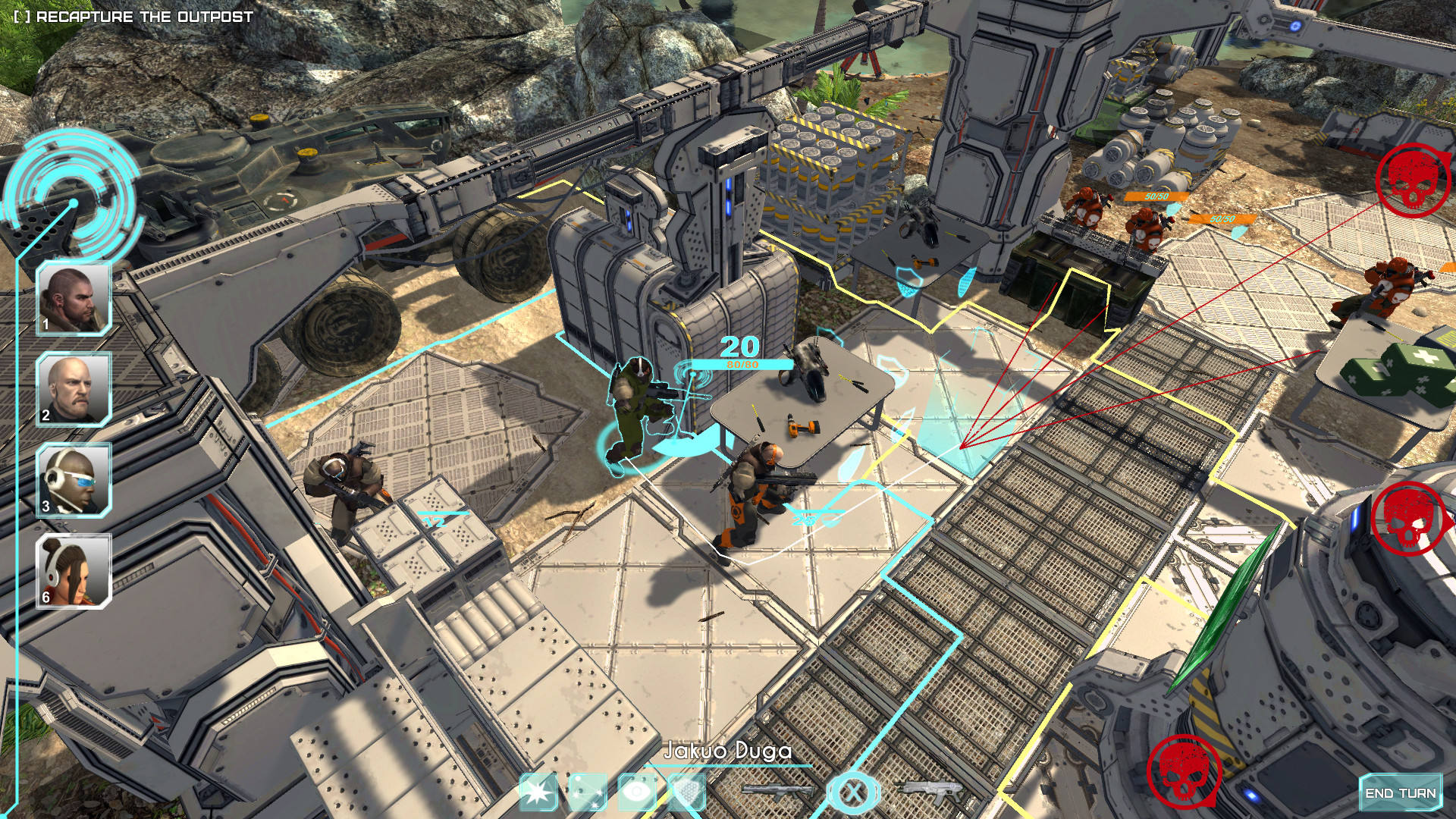
Most strategy games demand reflexes. Turn based games demand patience, planning, and precision. On PC, the single player experience in turn based strategy (TBS) titles offers something few genres can match: total immersion in calculated warfare, empire building, or tactical combat—without needing an opponent online.
For players who thrive on deep decision-making, delayed gratification, and layered systems, the best turn based strategy games on PC deliver intense cerebral challenges and long-term satisfaction. This isn’t about quick wins. It’s about outthinking an AI opponent across dozens of turns, adapting strategies mid-campaign, and feeling the weight of every move.
Whether you're managing an interstellar empire or leading a squad through a war-torn Europe, these games reward foresight and punish impulsivity. Here’s a curated look at the finest single-player turn based experiences on PC—what makes them stand out, and how to choose the one that fits your playstyle.
---
Why Turn Based Strategy Excels in Single Player
Real-time strategy often pressures players into split-second decisions. Turn based strategy flips the script: it gives you space to think, analyze, and optimize.
This makes TBS uniquely suited for single player experiences. Without the need to sync with human opponents, developers design AI opponents with distinctive behaviors, weaknesses, and escalation patterns. You're not just reacting—you're anticipating, baiting, and out-maneuvering.
Key advantages of single-player TBS: - Controlled pacing: Play at your own speed, pause to consider moves, or return after hours. - Narrative integration: Many TBS games weave story progression into turn mechanics (e.g., XCOM’s panic levels or Crusader Kings’ event chains). - Progressive mastery: AI learns less than humans, but well-designed campaigns scale in complexity, rewarding experience.
The best single-player TBS games don’t just simulate conflict—they simulate consequence.
---
Squad-Level Tactics: Precision Over
Power
At the tactical end of the spectrum, squad-based turn based games emphasize control, positioning, and character progression. These are often hybrid RPG-strategy experiences where every soldier matters.
XCOM 2 – The Modern Gold Standard
Firaxis’ XCOM 2 blends permadeath, procedural maps, and escalating difficulty into a campaign that feels uniquely personal. As commander of a resistance force fighting alien occupation, you manage both battlefield tactics and strategic base development.
What sets it apart: - Procedural mission design: Each map forces adaptation; no two ambushes play the same. - Long-term progression: Soldiers gain abilities, nicknames, and equipment over time—losing one hurts. - Warbonds and mutations: Adds replayability through asymmetric faction upgrades.
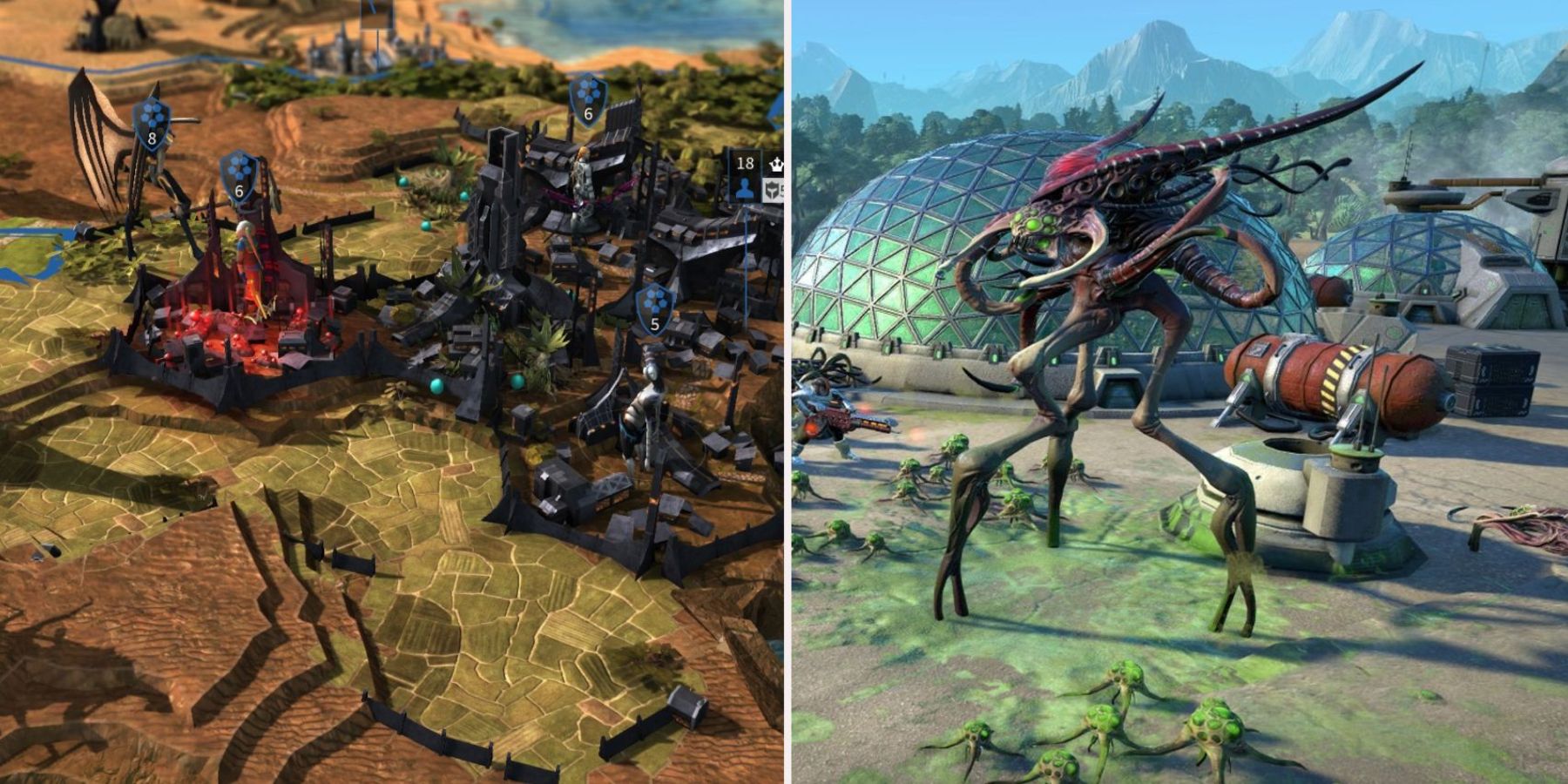
Tip: Early-game resource scarcity is intentional. Prioritize hacking and scanning over combat missions to build an economic edge.
Wasteland 3 – Tactical
RPG with Moral Weight
Set in a post-apocalyptic Colorado, Wasteland 3 mixes traditional turn based combat with branching dialogue and party customization. It’s less about alien tech, more about human conflict.
Notable features: - Dual-wielding and cover mechanics deepen tactical choices. - Co-op is available, but the single-player narrative remains tightly focused. - Decisions alter faction relations—and map access.
Common mistake: Ignoring non-combat skills. Speech, mechanics, and medical checks often bypass entire fights.
---
Grand Strategy: Empires That Evolve Turn by Turn
If squad tactics are chess, grand strategy is 4D geopolitical modeling. These games simulate entire nations, dynasties, or galaxies—one turn at a time.
Crusader Kings III –
Dynasty as a Gameplay Mechanic
Paradox’s Crusader Kings III turns medieval rulership into a narrative engine. You don’t just control a nation—you manage heirs, marriages, betrayals, and religious schisms.
Why it works for solo play: - AI lords have personalities, ambitions, and grudges. - Events trigger based on culture, traits, and decisions—no two playthroughs are identical. - Pause-to-plan feature lets you strategize mid-campaign.
Limitation: Steep learning curve. First 10 hours can feel overwhelming without guidance.
Civilization VI – The 4X Benchmark
Sid Meier’s Civilization VI remains the go-to for empire-building across millennia. From founding your first city to launching a space mission, every decision compounds.
Strengths: - Distinct victory conditions (cultural, scientific, domination). - City adjacency bonuses encourage thoughtful expansion. - Late-game AI remains aggressive, forcing adaptation.
Workflow tip: Use quick turns (spacebar) during uneventful eras, then disable for critical diplomacy or war phases.
---
Tactical Roguelikes: One Life, Infinite
Turns
Roguelike elements add consequence. In tactical TBS roguelikes, failure means starting over—but with knowledge, not gear.
Into the Breach – Minimalist, Maximum
Depth
Subset Games’ Into the Breach distills turn based combat into 8x8 grids and perfect information. You see enemy attacks before they happen. Victory comes from prediction and sacrifice.
Design brilliance: - Every mission is winnable with correct play. - Short runs (15–30 minutes) ideal for focused sessions. - Mech loadouts and islands offer varied meta-progress.
Warning: Don’t protect cities at all costs. Sometimes, losing a building preserves your best unit for later.
Battletech – Mech Warfare with
Consequence
Hardcore mech combat meets turn based tactics in Battletech. Damage is location-specific: lose an arm, lose a weapon. Miss a shot, lose initiative.
Single-player campaign highlights: - Manage a mercenary company: contracts, finances, pilot morale. - Combat is slow, deliberate, and punishing. - Permadeath applies to both 'mechs and pilots.
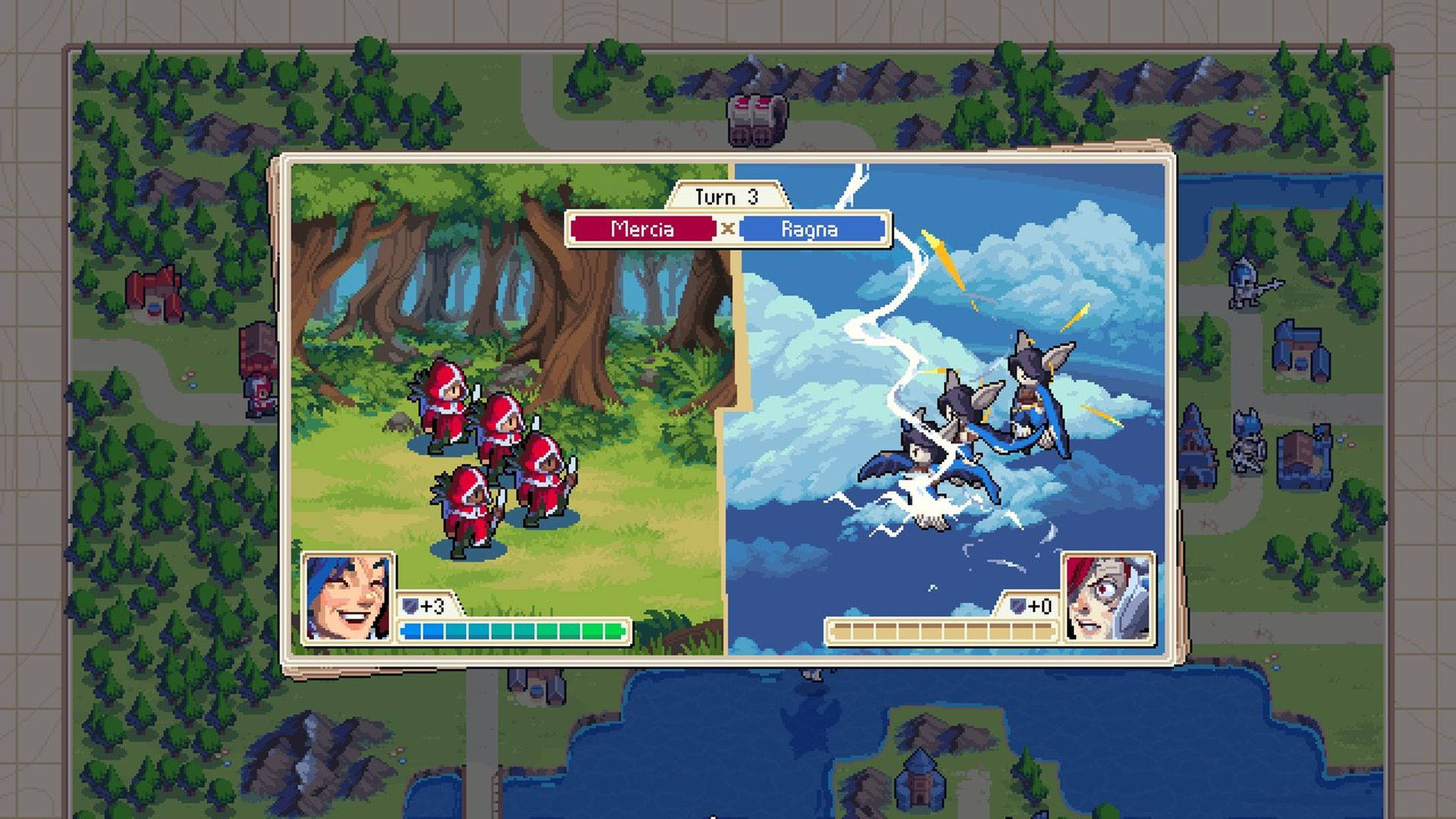
Common oversight: Underestimating heat management. Overheating can cause shutdowns mid-battle—plan cooldowns.
---
Indie Gems with Unique Twists
Not every standout TBS game comes from a major studio. Indie developers often innovate where big studios play safe.
Phoenix Point – XCOM’s Ambitious
Cousin
Julian Gollop (original X-COM creator) returned with Phoenix Point, introducing procedural mutations and a dynamic alien threat.
Pros: - Pandemic system alters enemy evolution. - Three factions with conflicting ideologies. - Cover and line-of-sight mechanics are more advanced than XCOM.
Cons: - Launch issues and uneven AI improved with patches, but base UX lags behind.
*The Phantom Pain (Disco Elysium – The
Final Cut)*
Yes, Disco Elysium is an RPG, but its skill checks and thought cabinet mechanics operate on turn based logic. Conversations are battles of perception, logic, and emotion.
In single player, it’s unmatched for narrative depth. Every decision branches dialogue, alters self-perception, or unlocks new abilities.
Unique angle: No traditional combat. “Fights” are internal—between ideologies, addictions, and identity.
---
Standout Turn Based Strategy
Games for PC (Single Player Focus)
| Game | Type | Key Strength | Ideal For |
|---|---|---|---|
| XCOM 2 | Tactical | Campaign depth, progression | Players who want emotional stakes |
| Crusader Kings III | Grand Strategy | Narrative simulation | Fans of history and politics |
| Civilization VI | 4X | Long-term empire building | Completionists and planners |
| Into the Breach | Roguelike | Tactical purity | Minimalists who love puzzles |
| Battletech | Tactical | Mechanical realism | Mech and war simulation fans |
Each offers a distinct flavor of turn based engagement, but all share deep single-player viability.
---
Choosing the Right Game for Your Playstyle
Not every TBS game fits every player. Consider:
- Time per session: Civilization demands hours. Into the Breach fits a coffee break.
- Tolerance for loss: Roguelikes like Wizdom Word (word-based tactics) punish hard. Civilization lets you save-scum.
- Story vs. systems: Disco Elysium prioritizes narrative. Advanced Tactics focuses purely on combat simulation.
Also, check mod support. Civilization and Crusader Kings III thrive on community mods that extend replayability for years.
---
Final Move: Pick Your Battlefield
Turn based strategy on PC isn’t about speed. It’s about significance. The pause between turns is where strategy lives—where you weigh risk, recall past failures, and commit to a path.
For single-player fans, the genre offers unmatched depth, replayability, and intellectual reward. Whether you’re commanding soldiers, rulers, or mechs, the best games make every decision matter.
Your next campaign isn’t waiting for a match to queue. It’s waiting for you to take your turn.
Start with XCOM 2 if you want intensity. Try Into the Breach for precision. Dive into Crusader Kings III for endless story. The board is set.